
Have you ever stumbled upon an IP address like 172.16.252.214:4300 and wondered what it actually means? You are not alone. Many people see IP addresses and ports and assume they are complicated or only relevant to tech experts. In reality, understanding an IP address and its associated port can open up a whole world of possibilities. In this article, we will dive into what 172.16.252.214:4300 represents, how it works, and why it might be relevant for you.
Understanding IP Addresses in Simple Terms
First, let’s break down what an IP address is. An IP (Internet Protocol) address is like a digital home address for your device. Every device connected to a network has a unique IP address, which allows it to send and receive information. Think of it as the address on an envelope that ensures your letter reaches the correct house.
The IP address 172.16.252.214 falls into a special category known as a private IP address. Private IPs are used within local networks, such as homes, offices, or schools. This means that while you can use them to connect devices internally, they aren’t directly accessible from the wider internet.
The Role of Ports – What Does :4300 Mean?
When you see :4300 after an IP address, it refers to a port number. Ports are like doors in a building. While the IP address is the building itself, ports determine which room the data should enter. For instance, web browsers usually connect through port 80, while secure websites use port 443.
Port 4300 could be used for a variety of purposes depending on the software or service running on the device. It’s not a standard port like 80 or 443, which means it is likely dedicated to a specific application.
Why Private IP Addresses Matter
Private IP addresses, like 172.16.252.214, are essential for network security. Since they are not visible on the internet, they reduce the risk of external attacks. This makes them ideal for internal communication within offices, schools, or even home networks.
Moreover, private IPs allow multiple devices to share a single public IP address when accessing the internet. This process, known as NAT (Network Address Translation), ensures efficient and secure communication.
How to Access 172.16.252.214:4300
Accessing this IP and port depends on what service is running. If it’s a web server, you might be able to enter it into your browser like http://172.16.252.214:4300. If it’s a different service, like a game server or remote desktop, you would need the corresponding application.
However, since this is a private IP, you would need to be on the same network to connect. If you are outside the network, you won’t be able to reach it unless specific routing or VPN setups are in place.
Common Uses of 172.16.x.x IP Range
The 172.16.x.x IP range belongs to a block of private IPs defined by the Internet standards. Organizations often use this range for:
-
Internal web servers for testing
-
Application development and staging
-
File and media sharing within offices
-
Home automation systems
Understanding the range helps network administrators organize devices efficiently while keeping them secure from outside interference.
Security Considerations
Even though 172.16.252.214 is a private IP, security still matters. Ports like 4300 should not be left open unnecessarily, as unauthorized users within the same network could potentially exploit them.
It’s always recommended to:
-
Use firewalls to control access
-
Regularly update software running on the port
-
Monitor network activity for unusual behavior
This ensures your internal network remains safe and functional.
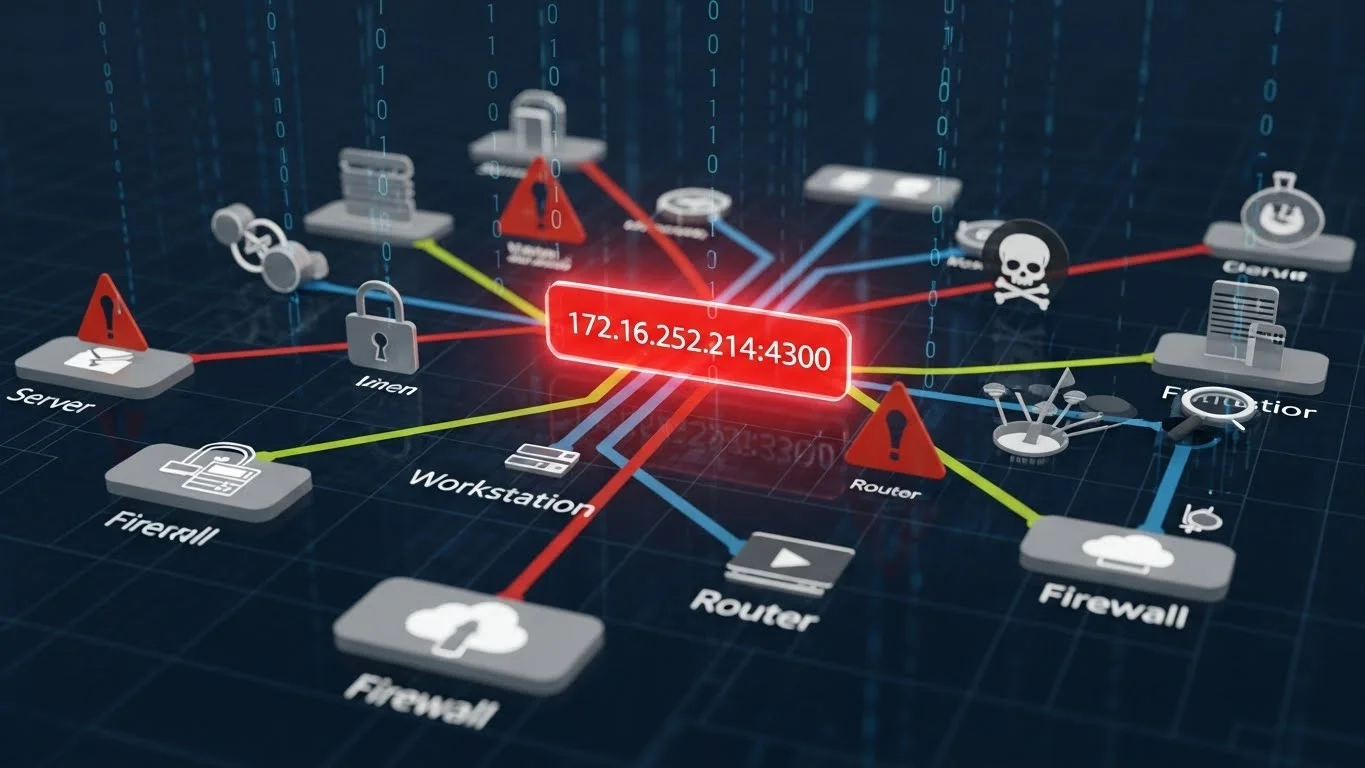
Troubleshooting Connection Issues
Sometimes, you might try to connect to 172.16.252.214:4300 and face problems. Common issues include:
-
Firewall blocking the port – Check your device’s firewall settings.
-
Service not running – Ensure the application on port 4300 is active.
-
Incorrect network configuration – Verify that your device is on the same subnet.
By systematically checking these areas, most connection issues can be resolved quickly.
Real-World Example: Why You Might Encounter This IP
Imagine a small office network. The IT department sets up a server on 172.16.252.214 for internal project management tools. The developers access the tool via port 4300. Employees working remotely connect via VPN to reach the same server. This is a practical scenario showing how private IPs and custom ports work together for seamless internal operations.
The Difference Between Private and Public IPs
It’s important to note the distinction between private and public IPs. Public IPs are visible on the internet and are required for websites and online services. Private IPs, like 172.16.252.214, are invisible outside their network.
Using private IPs helps save public IP addresses and adds a layer of security. Companies often have hundreds of private IPs for internal devices while relying on just a few public IPs to connect to the internet.
Port Management Best Practices
Since 4300 is a non-standard port, managing ports properly is key. Here are some best practices:
-
Document all active ports – Knowing which ports are used avoids conflicts.
-
Limit access by device – Only allow devices that need access.
-
Close unused ports – Reduces the attack surface.
-
Use strong authentication – Ensure only authorized users can connect.
These steps help keep internal networks organized and secure.
How This IP Helps Network Learning
For students and tech enthusiasts, private IPs like 172.16.252.214 provide an excellent sandbox for learning. You can set up virtual networks, experiment with different ports, and understand how devices communicate without risking exposure to the public internet.
It’s also a practical way to practice troubleshooting, firewall management, and network monitoring in a controlled environment.
Conclusion – Why 172.16.252.214:4300 Is More Than Just Numbers
At first glance, 172.16.252.214:4300 might look like a random string of numbers. But behind it lies the backbone of internal networking, security, and application accessibility. Whether you’re a tech enthusiast, a student, or an IT professional, understanding private IPs and ports opens doors to countless possibilities.